

Most Affordable Beach Cities to Live in Florida

Finding a place to live typically has a lot weighing on things like amenities, crime rates, school zones, local to a work place and of course cost.  Cost is sometimes an interesting topic because each household income varies and what one person most affordable beach cities to live in floridafeels comfortable paying relies heavily on the persons own circumstances and opinion.  For many people living by the beach is something they see as over priced and out of their budget but that isn’t always the case. Going off of the average household income in the U.S being around $51,000 as a bench mark there are still beach cities in Florida that are affordable for the average person or family.  The rule of thumb is the more desirable locations are going to cost more but the following list shows some of Florida’s beach towns that are actually affordable!
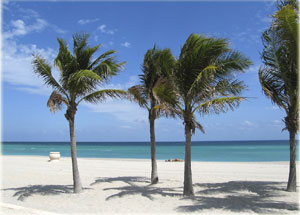
Indian Harbour Beach

The first one is Indian Harbour Beach which maybe one that even Floridians are not real familiar with.  Their motto is “The Greatest little City in Florida” which could be for good reason!  The city falls under a more well-known Brevard county but has a small census.  The median income in this city is around $56,000 and while this is slightly above the national average this doesn’t drive up the household costs sky high like other beach towns such as West Palm Beach or Ft. Lauderdale.  Indian Harbour is a quaint little town with average house sales around $180,000 keeping this beach town as a top candidate.

Visit MoversAtlas.com

Fort Myers Beach

The next destination takes us to the west coast right on the Gulf known for the white sand beaches and warmer waters.  Fort Myers Beach is slightly bigger than the last location at a population of 6,277.  Fort Myers is more of a well-known city under the jurisdiction of Lee County.  The town is affordable with the median household sales around $185,000 and all the amenities any beach town has.   The location of this town is nicely placed just outside of very desirable areas such a Sanibel and Captiva island which makes it perfect for Saturday afternoon beach days and sightseeing.  Fort Myers’ economy is rebounding much like the rest of the country but there are still many houses that can be found as outstanding deals.

Vero Beach

Last but not least in this list goes back to the east coast of Florida. A more well-known city Vero Beach which falls under Indian River County.  Vero’s motto is “Where the Tropics Begin” which is exactly what you are looking for in any beach town.  The town is larger with around 15,000 people with a median household income of $35,000 in 2011.  The average houses and condos are selling for around $200,000 and are well known for their intercostal waterway “Indian River Lagoon” excellent for fishing, boating and kayaking.  The location is right near the two large shopping malls and specialty shops along the barrier island known as the “Miracle Mile”.

There are many small beach towns in the state of Florida with many different variations in size, population and cost.  Coastal living to most may seem unattainable but by shopping carefully there are actually very affordable beach homes still around.  By using tools like www.MoversAtlas.com your dream home on the beach or inland is just a click away!

If you enjoyed reading this post you will find the main Mover’s Atlas site even more Interesting! There you can discover important information about what surrounds your current or future Florida home or Apartment, give it a look: Mover’s Atlas.

How to Apply for Section 8 Housing

You may or may not be aware of the United States Housing Act of 1937 which requires states to subsidize housing for low-income families through the Department of Housing and Urban Development (HUD). HUD administers housing voucherssection 8 housing in florida for those who cannot afford to pay the full price of housing through the local Public Housing Authorities. The PHA has two options for vouchers; one is called tenant-based voucher and one is the project-based voucher. Under the tenant-based voucher, a voucher is provided for the tenant to use in any housing of their choice that offers financial assistance housing so it is valid for more than one area; if the tenant wishes to move, the voucher will carry over. The project-based voucher is valid only for the specific housing unit for which it has been assigned and if the tenant moves, they must reapply for financial assistance. So how exactly do you go about getting this help?

When it’s time to apply for Section 8 housing, be sure to find out where your nearest PHA office is. You can call them to ask about filling an application out online or in person. Either way, there are some things you will need in order to complete the paperwork. The first thing to consider is your eligibility which will be based on several factors. These include your annual gross income, your family size, your immigration status (section 8 is usually only available to US Citizens and persons with legal immigration status), and the median income of the area/city in which you are applying. Most applicants who are eligible for Section 8 are earning annually between 30% and 50% of their area’s median income figures.

Once you have assured yourself of your eligibility for the program, the next step is to collect the necessary paperwork to document your income and prove your need. This will require pay stubs, a letter from your current landlord, any documentation regarding current mortgage or rent payments, and any other paperwork you think will help you in preparing your application. An important thing to remember here is that there are different types of vouchers so you must pick the right one. There is a tenant voucher if you are planning on renting and there is also a property voucher if you simply need assistance paying a housing mortgage or a condominium payment. Note that Section 8 may also be able to help you purchase a small home for a cheaper price to allow you to make small monthly payments on it.

After you have gathered all of your information, determined your eligibility, and understood which voucher you are applying for, you simply call or visit your local PHA office and Voila! The hardest part of the whole process is the waiting game that follows. Because many families apply for Section 8 and there is not always enough housing to accommodate everyone on the list, your name will be placed on a waiting list depending on your need. Your waiting time will vary from city to city but hopefully before long, you will be able to live somewhat comfortably in your new home.

If you enjoyed reading this post you will find the main Mover’s Atlas site even more Interesting! There you can discover important information about what surrounds your current or future Florida home, give it a look: Mover’s Atlas.

Retiring Soon? Consider Moving to Orlando!

For the majority of people that have made the right decisions, saved money, and carefully planned for their future they will eventually get to a point where they stop going to their “day job” and begin to really start enjoying life and what it has to Orlando Florida Retirement Communitiesoffer.  Retirement is a really good opportunity to start the stuff you have been putting off because you didn’t have enough time.  At this point it is important to plan out your retirement years much like your working years.  A big part of this planning may include downsizing OR even relocating, the following are reasons why living in or relocating to Orlando, Florida would be a really great place to consider for your retirement.

First and foremost Orlando is known for its tropical weather, considering all the northerners have spent many winters shoveling snow, scraping windshields, layering clothing and salting driveways.  All of these things are activities that waste time and energy that would be much better spent playing tennis, golfing, riding bikes, going to movies or anything else you choose to do during retirement.  Of course you don’t have issues with this everywhere in the country but Orlando has other great reasons to be your retirement destination.

Orlando may be known for its weather, but what about our communities designated for 55 years and older?  There are many communities even entire towns that are designed for people that are 55 years and older, these are places designed to have centralized grocery stores, shopping centers, restaurants and other conveniences that enable you to not have to drive around all day wasting time and gas doing your day to day activities.  These communities give you opportunities to be around people with the similar ages that are trying to enjoy life without the hustle and bustle of folks still in their working years.  Many of these communities enable you to even commute in golf carts! Whether you are driving to the grocery store or the ninth green, some of these places you will find it more unusual to see a full size car on the street than a golf cart with a shiatsu riding shotgun.   This leads me to the next point, hobbies.

Even during your working years you probably had hobbies just not enough time to enjoy them as much as you wanted.  One big part of retirement are things like golf, fishing or pleasure boating; this is very convenient considering Orlando is known for its golf courses and waterways.  Orlando has more than 50 golf courses in the greater Orlando area with communities built around them.  The neat thing that most don’t know about the golf course community is that with the course comes the club house, with the club house they typically have tennis courts, restaurants and a pool.  Other options like boating or fishing come to mind with many docks that dump you in fantastic chains of lakes with plenty of site seeing and fishing. With the closeness of communities, weather to support hobbies and outdoor activities, and plenty of parks and recreation you will have no complaints about Orlando being a top spot for your second wind!

If you enjoyed reading this post you will find the main Mover’s Atlas site even more Interesting! There you can discover important information about what surrounds your current or future Florida home, give it a look: Mover’s Atlas.