

Home Buying Credit Myths: You Can’t Buy a Home Without Any Credit

As you go through the years from childhood to being young adult, and then an even older adult you hear the concerns buying a home without any creditfrom your parents, grandparents, friends and even colleagues that credit is extremely important.  Without credit you probably wouldn’t be able to buy expensive items and with bad credit you certainly wouldn’t be able to buy these items with reasonable interest rates.
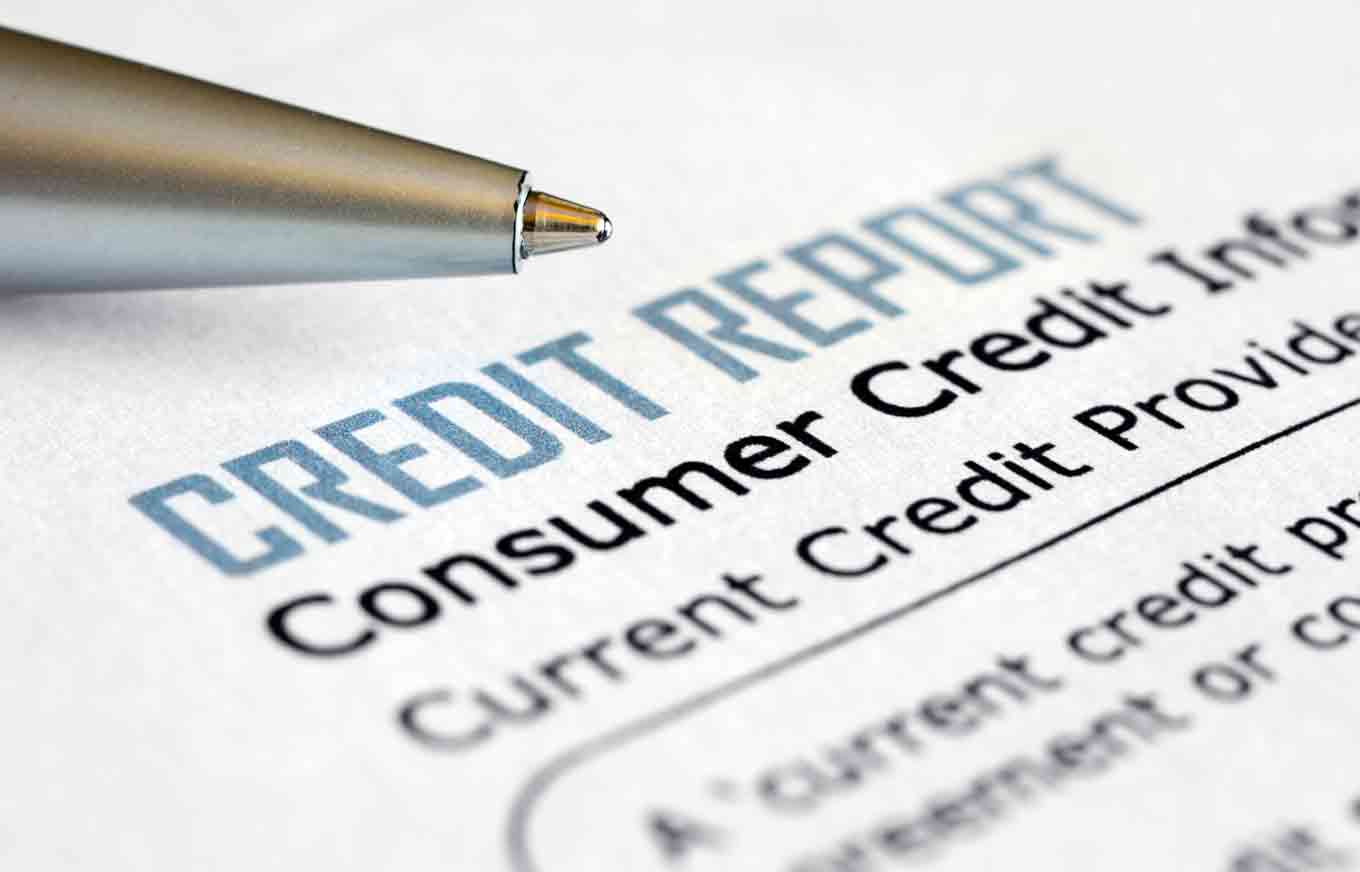
Credit is a gauge of how you have made financial decisions throughout your entire life.  The almighty FICO score is what the credit mongers are concerned with, but is it fact or fiction?  Believe it or not the FICO score is a rating that involves an algorithm of how much debt you have been in and out of! Wait so the more debt the better, you ask?  Essentially there is a specific balance between the amount of credit you have, your payment history, loans amounts, credit card balances etc.

The highest credit score is 850 and the lowest is 300 and your credit score involves three major credit bureaus. The rating is their way of calculating the risk of loaning you money.  One problem most people are missing here is that if you have CASH and zero debt and don’t borrow money your credit score goes away!  The score does not go to ZERO it will just show up as not being calculated.

The home buying myths concerning credit are not necessarily true, depending on what you heard.  Just because the norm is to make sure you have a good credit score to pre-qualify for a loan doesn’t necessarily make this  amFACT.  It’s just like renting a home or apartment, if you didn’t have a credit score could you obtain the residence?  Well the answer is yes and that also goes for buying a home.

This does take a little more effort because it is not “normal” because normal is a percentage of DEBT to income ratio and in your case without the credit score and 20% down your ratio ends up being income to income ratio and not every mortgage company knows how to enter these numbers into the computer without the debt value…talk about a monkey wrench.

Here’s the situation and just to be clear a BAD credit score is different from NO credit score, the bad score will need to be cleaned up.  On the other hand no credit is not earth shattering but you will need to seek assistance from a mortgage company that will sit down with you and look at your physical income numbers and your history of payments (i.e. cell phone, water, power) along with what you are putting down.

Typically most are qualified for a mortgage that is far more expensive then what they actually need.  It goes with renting a house, many times large companies have the same issues with not have a credit score; this is a good opportunity to find a place that is being rented from a homeowner.  The funny thing is people with cash may even have the majority of the rent money ready to be paid for a year or six months but due to the lack of DEBT score the person is denied for not being “normal”.

Bottom line it IS possible to get a home without a FICO score but you will need to have 20% down just like everyone else and complete your due diligence in finding a good mortgage company that believes paying with cash rather then debt is a good thing and not a bad thing.  In the mean time save your money and do as much research as you can when looking for a house, I suggest using the tools at www.moversatlas.com to assist in your investigation.

When is the Best Time to Buy, Sell or List a Home?

What goes up must come down, or maybe it doesn’t?  Trying to speculate what will happen in the future is impossible because if you could the 2008 downturn wouldn’t have affected anyone and the Superbowl game wouldn’t be worth watching.  best time to buy a home - best time to sell a homeKnowing the best time to sell your home is just as important as knowing how much to sell it for.  The following will give you an insight on when the best times would be to buy, sell or list your home.

Besides the different times of the year it is important to understand what a “buyers” market is and what a “sellers” market is.  The definition is self-serving in that one is better for the buyer and the other is better for the seller.  Ultimately these markets fluctuate primarily depending on whether the industry has an influx in houses for sale or not, it’s simple supply and demand.  On the other hand depending on the economic status with loan rates, stock market status and other indicators it may not even matter if there is an exorbitant amount of homes on the market or not.  There is nothing that can be planned for so just understand “it is what it is” and some areas are affected more or less by these indicators.

The majority of sellers look to prepare for listing in the spring because that is when the buyers begin to look.  The weather has a big impact on home buying and moving because the majority of people would rather not move during the dead of winter, even in Florida!  Another good time would be the summer, this is a time when the school year is coming to a close making it a good opportunity to relocate or change school districts.

As far as buying a home the most logical time frame would be when sellers have broken into the market.  According to the National Association of Realtors the months between April and July are when the most sales take place.  On the other hand if you did wait until the “off-season” or were forced to buy during an odd time of the year you will need to take into consideration that there would be less available BUT the prices may be lower.  There are times when the market isn’t running like a well-oiled machine and the housing prices are more competitive because the seller knows the time of the year isn’t right.  It would be like going into a car dealership that has very little sales, you end up being their number one (and only) customer and are able to have your pick of the litter.

No matter when you are looking to buy and sell it is important to do your research and be aware of the market.  Be sure and hire a good real estate professional to guide you and help you complete the transaction.  Last but not least when buying or selling a home use www.moversatlas.com as a carfax for your home and community, it will give you that edge when researching your potential new home and its surrounding neighborhoods.

Helpful Tips on Buying A Home With Bad Credit

The home buying process can be complex and time consuming.  Having bad credit can make things even more challenging.  However, poor credit doesn’t necessarily preclude you from owning a home.  In our current economic climate loans help buying a home with a poor credit scoreare subject to a good deal of scrutiny before approval and the options available to you aren’t great.  Since the real estate bubble burst a few years ago, lending institutions have tended to be far more conservative, but it is still possible to buy a home with bad credit.

Most real estate and personal finance professionals will tell you that if you have sub-par credit, the best thing you can do is simply put off buying a house for a few years and spend that time improving your credit score.  This can save you a lot of money in the long run by enabling you to qualify for a low interest rate on your home loan.  Before you decide to purchase a house, make sure to ask yourself if buying is really a good idea right now.  Taking on a mortgage with bad credit will create an extra burden and could be the wrong financial move.

That said, if you have less than stellar credit and still want to buy a home, the very first thing you should do is get a copy of your FICO credit score.  You need to know where you stand before you begin talking to lenders and the difference of a few points can be important, especially if you’re on the lower end of the scale.  While reviewing your credit score, you might also spot errors.  If you do, you can report them to the credit agency that issued the report in order to improve your score.  After you’ve reviewed your credit score and decided that you’re going to get serious, there are several options available to you.

A route that many people go is to apply for Federal Housing Administration loan insurance.  By assuming the risk if you default, the FHA helps people qualify for a loan and can greatly reduce the down payment, which can be as low as 3.5% of the purchase price.  Many of the closing costs/fees can be rolled into the loan as well.  In order to obtain FHA loan insurance you must show current financial responsibility, but past bankruptcies or loan defaults won’t necessarily disqualify you.

Other options people sometimes use are local government home buying programs and obtaining a co-signer on the loan. Your local housing and community development office will have information on local government programs, if they exist.  Alternatively, you might be able to get a close family member to co-sign on your loan.  They can help you get approved by assuming the financial risk if you default.  Finally, you might be able to find a lender that will give you a shot, but be careful – you’re bound to pay a higher interest rate and commit to a much larger down payment.  The interest rate on subprime loans can be exorbitant, so signing up for one might leave you worse off than you were before.  Exercise extreme caution when looking for a subprime loan.

In conclusion, waiting it out a few years and improving your credit score is the most advisable route to go by most estimates.  If you do want to buy with less than stellar credit you can look into FHA loan insurance or try to find someone to co-sign your loan, but be wary of obtaining a sub-prime mortgage.  If you’d like to check out communities you’re interested in moving to, have a look at our MoveMap, which makes finding a new place to live a breeze!